

Humidity is a crucial environmental factor that can significantly impact the performance and longevity of various equipment, including air shower channels. As a leading provider of [Air Shower Channel] solutions, we understand the importance of humidity tolerance in maintaining the effectiveness and reliability of our products. In this blog post, we will delve into the concept of humidity tolerance in air shower channels, exploring its significance, influencing factors, and implications for users.
The Significance of Humidity Tolerance
Air shower channels are essential components in cleanroom environments, designed to remove particulate contaminants from personnel and objects before they enter the controlled space. These environments often require strict control over humidity levels to ensure the proper functioning of sensitive equipment, prevent the growth of microorganisms, and protect products from moisture damage.
Humidity tolerance refers to the range of relative humidity levels within which an air shower channel can operate effectively without experiencing significant performance degradation or damage. Maintaining the correct humidity level is crucial for several reasons:
- Electrostatic Discharge (ESD) Prevention: High humidity can reduce the risk of electrostatic discharge, which can damage electronic components and sensitive equipment. On the other hand, low humidity can increase the likelihood of static electricity buildup, leading to potential product failures and safety hazards.
- Microbial Growth Control: Microorganisms thrive in moist environments. By controlling humidity levels, air shower channels can help prevent the growth of bacteria, fungi, and other pathogens, maintaining a clean and hygienic environment.
- Equipment Performance: Excessive humidity can cause corrosion, rust, and damage to the internal components of air shower channels, reducing their lifespan and efficiency. Conversely, extremely low humidity can lead to dryness, cracking, and malfunction of certain materials and components.
Factors Influencing Humidity Tolerance
Several factors influence the humidity tolerance of an air shower channel:
- Material Selection: The choice of materials used in the construction of the air shower channel plays a crucial role in its humidity tolerance. High-quality, moisture-resistant materials such as stainless steel and aluminum are commonly used to withstand varying humidity levels without degradation.
- Coating and Finishes: Special coatings and finishes can enhance the moisture resistance of the air shower channel's surfaces. These protective layers act as a barrier against moisture, preventing corrosion and damage.
- Ventilation and Airflow: Proper ventilation and airflow within the air shower channel are essential for maintaining consistent humidity levels. Adequate ventilation helps to remove excess moisture and prevent the formation of condensation.
- Humidity Control Systems: Some advanced air shower channels are equipped with integrated humidity control systems that can monitor and adjust humidity levels automatically. These systems ensure that the environment inside the air shower channel remains within the optimal range.
Recommended Humidity Range
The ideal humidity range for an air shower channel typically falls between 30% and 60% relative humidity. This range provides a balance between preventing electrostatic discharge and microbial growth, while also ensuring the proper functioning of the equipment.
- Lower Limit (30% Relative Humidity): Maintaining a minimum relative humidity of 30% helps to prevent static electricity buildup, which can damage sensitive electronics. At this level, the risk of electrostatic discharge is significantly reduced, protecting the integrity of products and equipment.
- Upper Limit (60% Relative Humidity): A maximum relative humidity of 60% helps to prevent the growth of microorganisms and the formation of condensation. Excessive moisture can lead to corrosion, mold growth, and other issues that can compromise the performance and longevity of the air shower channel.
Impact of Extreme Humidity Conditions
Deviating from the recommended humidity range can have several negative impacts on the performance and reliability of an air shower channel:
- High Humidity: When the relative humidity exceeds 60%, the air shower channel may experience condensation, which can lead to water damage, corrosion, and the growth of mold and bacteria. High humidity can also cause the air filters to become wet, reducing their efficiency and increasing the risk of particulate contamination.
- Low Humidity: Relative humidity below 30% can result in static electricity buildup, which can damage electronic components and cause dust and debris to adhere to surfaces. Low humidity can also cause materials to become brittle and prone to cracking, leading to potential structural damage.
Ensuring Optimal Humidity Conditions
To ensure that your air shower channel operates within the recommended humidity range, consider the following tips:
- Install a Humidity Control System: Invest in an air shower channel equipped with a humidity control system to monitor and adjust humidity levels automatically. These systems can help maintain a consistent and optimal environment inside the air shower channel.
- Regular Maintenance: Perform regular maintenance and inspections of the air shower channel to ensure that all components are functioning properly. This includes checking the ventilation system, air filters, and humidity sensors for any signs of damage or malfunction.
- Control the Surrounding Environment: Pay attention to the humidity levels in the surrounding cleanroom environment. Use dehumidifiers or humidifiers as needed to maintain the desired humidity range throughout the facility.
Our Air Shower Channel Solutions
As a trusted [Air Shower Channel] supplier, we offer a wide range of air shower channels designed to meet the diverse needs of our customers. Our products are engineered with high-quality materials and advanced technologies to provide superior humidity tolerance and performance.

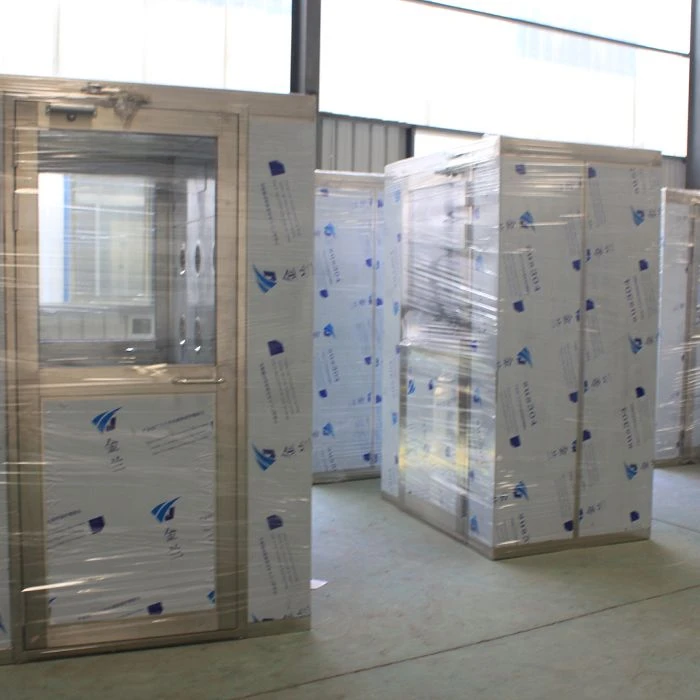
- Corner Air Shower: Our corner air showers are designed to fit seamlessly into tight spaces, providing effective decontamination in areas with limited floor space. These air showers feature a compact design and high-efficiency filtration system to remove particulate contaminants from personnel and objects.
- Single Blow Air Shower: Our single blow air showers are ideal for applications where a single pass of high-velocity air is sufficient to remove loose particulate contaminants. These air showers are easy to install and operate, making them a cost-effective solution for small to medium-sized cleanrooms.
- Rotating Nozzle Air Shower: Our rotating nozzle air showers are equipped with high-pressure nozzles that rotate 360 degrees, ensuring comprehensive coverage and effective decontamination. These air showers are suitable for applications where thorough cleaning is required, such as in pharmaceutical and semiconductor manufacturing.
Contact Us for Your Air Shower Channel Needs
If you are looking for a reliable and high-performance air shower channel that can withstand varying humidity conditions, look no further. Our team of experts is ready to assist you in selecting the right air shower channel for your specific requirements. Contact us today to discuss your project and get a free quote.
References
- ASHRAE Handbook - Fundamentals. American Society of Heating, Refrigerating and Air-Conditioning Engineers.
- ISO 14644-1:2015. Cleanrooms and associated controlled environments - Part 1: Classification of air cleanliness. International Organization for Standardization.
- GMP Guidelines for Pharmaceutical Products. World Health Organization.