

As a supplier of Single Steel Cleanroom Doors, I'm often asked about the various features and benefits of our products. One of the most crucial aspects that customers are interested in is how a single steel cleanroom door can resist chemical corrosion. In this blog post, I'll delve into the science behind our door's anti - corrosion capabilities.

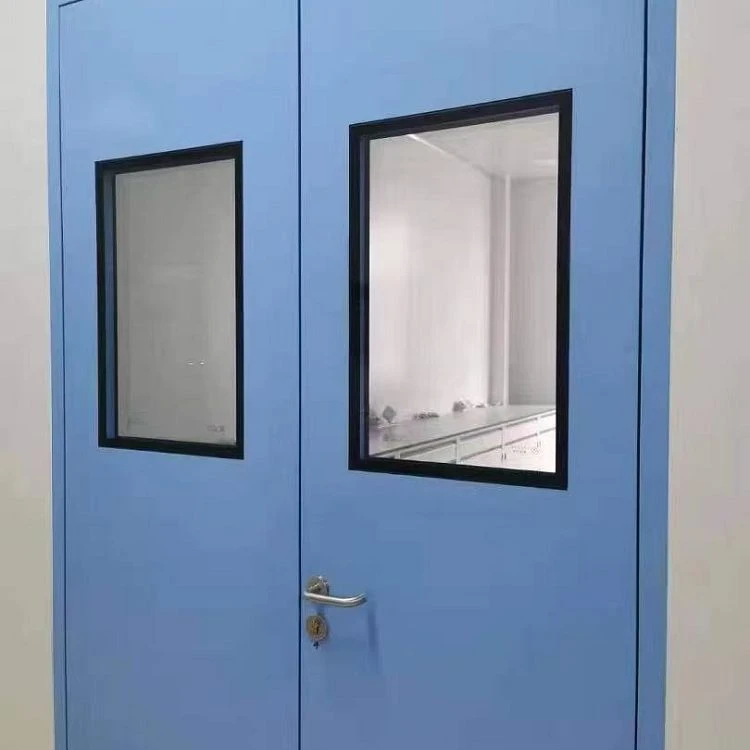
Understanding Chemical Corrosion
Chemical corrosion is a natural process that occurs when a metal, such as steel, reacts with its environment. In a cleanroom setting, the potential exposure to various chemicals is high. These chemicals can include acids, bases, solvents, and disinfectants, which are commonly used for cleaning and maintaining the high - level cleanliness standards of the cleanroom. When steel comes into contact with these chemicals, it initiates a series of chemical reactions. Oxidation is a primary form of corrosion where iron in steel reacts with oxygen in the presence of moisture to form iron oxide (rust). If left unchecked, corrosion can compromise the integrity of the door, leading to structural damage, reduced functionality, and a decline in the overall cleanliness of the cleanroom.
Material Selection
The foundation of our single steel cleanroom door's corrosion resistance lies in the quality of the steel we use. We carefully select high - grade stainless steel, which contains alloying elements like chromium, nickel, and molybdenum. Chromium plays a vital role in forming a passive oxide layer on the surface of the steel. This thin, invisible layer acts as a protective barrier, preventing oxygen and other corrosive agents from reaching the underlying metal. When the steel is exposed to air, the chromium reacts with oxygen to form chromium oxide. This oxide layer is self - healing; if it gets scratched or damaged, it can reform as long as there is sufficient oxygen present.
Nickel enhances the steel's resistance to a wide range of corrosive environments, including those with high chloride concentrations. Chloride ions are particularly aggressive and can cause pitting corrosion, where small holes form on the surface of the metal. By adding nickel to the steel, we increase its ability to resist this type of corrosion. Molybdenum further improves the steel's resistance to pitting and crevice corrosion, especially in environments with acidic or alkaline chemicals.
Surface Treatment
In addition to using high - quality stainless steel, we also apply specialized surface treatments to our single steel cleanroom doors. One of the most common treatments is passivation. Passivation is a chemical process that removes free iron and other contaminants from the surface of the steel, further enhancing the formation and stability of the passive oxide layer. During passivation, the doors are immersed in a solution of nitric acid or citric acid. This process not only strengthens the protective oxide layer but also improves the overall aesthetic appearance of the door by giving it a smooth, uniform finish.
Another surface treatment we use is powder coating. Powder coating involves applying a dry powder to the surface of the door and then baking it at a high temperature. This creates a durable, protective layer that is resistant to scratches, abrasion, and chemical attack. The powder coating can be customized in terms of color and texture, allowing us to meet the specific design requirements of our customers. It also provides an additional barrier against moisture and chemicals, further enhancing the door's corrosion resistance.
Sealing and Gasketing
Proper sealing is essential for preventing chemicals from seeping into the door and causing corrosion. Our single steel cleanroom doors are equipped with high - quality gaskets made from materials that are resistant to chemical attack. These gaskets are designed to create a tight seal around the perimeter of the door, preventing the ingress of moisture, dust, and chemicals.
We use materials such as EPDM (Ethylene Propylene Diene Monomer) rubber for our gaskets. EPDM rubber has excellent resistance to a wide range of chemicals, including acids, bases, and solvents. It also has good weather resistance, ozone resistance, and low - temperature flexibility, making it suitable for use in various cleanroom environments. The gaskets are installed in a way that ensures a proper fit and long - term performance, even under repeated opening and closing of the door.
Design Considerations
The design of our single steel cleanroom doors also plays a role in their corrosion resistance. We pay close attention to details such as avoiding sharp edges and crevices where chemicals and moisture can accumulate. A smooth, seamless design reduces the risk of corrosion by minimizing areas where contaminants can collect.
The door frames are also designed to prevent water and chemical pooling. They are sloped or have drainage channels to ensure that any liquids that come into contact with the door are quickly drained away. Additionally, the hardware used on the doors, such as hinges and handles, is made from corrosion - resistant materials. We use stainless steel or coated metals that can withstand the harsh chemical environment of a cleanroom.
Testing and Quality Assurance
Before our single steel cleanroom doors are shipped to customers, they undergo rigorous testing to ensure their corrosion resistance. We conduct salt spray tests, where the doors are exposed to a salt - water mist for an extended period. This simulates the effects of a corrosive environment and allows us to evaluate the performance of the door's protective coatings and materials.
We also perform chemical immersion tests, where samples of the door are immersed in various chemicals commonly found in cleanrooms. This helps us to determine the door's resistance to different types of chemical attack and make any necessary adjustments to our manufacturing processes. Our quality assurance team closely monitors every step of the production process to ensure that each door meets our high standards of corrosion resistance.
Other Cleanroom Door Options
In addition to our Single Steel Cleanroom Door, we also offer a range of other cleanroom door solutions. Our Double Cleanroom Door is ideal for larger openings and provides enhanced security and insulation. The Cleanroom Sliding Door is a space - saving option that is perfect for areas with limited floor space. And our Leaf And Half Cleanroom Door offers a unique design that provides flexibility in terms of traffic flow and access.
Contact Us for Procurement
If you're interested in learning more about our single steel cleanroom doors or other cleanroom door solutions, we encourage you to contact us. Our team of experts is ready to answer any questions you may have and help you select the right door for your specific needs. Whether you're building a new cleanroom or renovating an existing one, we can provide you with high - quality, corrosion - resistant doors that will meet your requirements.
References
ASM Handbook Volume 13A: Corrosion: Fundamentals, Testing, and Protection.
Schweitzer, Philip A. Corrosion Resistance Tables, 5th Edition.